PRO LOCO TRABIA – SAN NICOLA APS
Corso G. La Masa n.165 – 90019 Trabia (PA) C.F. 87003570824
Tel. 0918104090 prolocotrabiasannicola@gmail.com prolocotrabia@pec.it
Powered By GIO DIGITAL MARKETING
The Coast of Wonders
CHAPEL OF SAINT ROSALIA
Point of interest no. 1
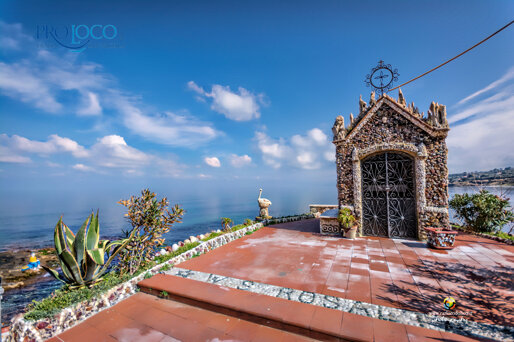
"On the sea of Trabia there is a small sanctuary, made of cave stones, all in splendid colors." Thus Giuseppe Sunseri, a poet from Trabia, wrote of the small chapel of Santa Rosalia, begun in 1904 and completed in the 1920s, at the behest of a gentleman from Trabia, Mr. Salvatore Gurgiolo. The chapel was built using stalactites and stalagmites collected by young people from Trabia in the caves of Castello Lanza. Around the chapel, an area with paintings and mosaics framed by sea pebbles has been created. On the cliff, a statue of a fisherman has been created, attracting the attention of many children.
LANZA CASTLE
Point of interest no. 2
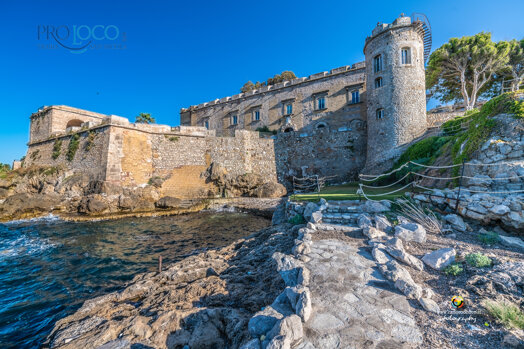
The water-rich Trabia area attracted many noble families to settle there, including the Lanza family in the 16th century. Lanza Castle was a symbol of power when it was razed to the ground by rebels in 1517. Blasco Lanza had it rebuilt. It was later expanded by his son Cesare and guarded day and night by a castellan, three guards, and a soldier. Ancient testimonies tell of the castle as a true oasis, with a spring of clear water gushing out from among the imposing rocks. Today, all that remains of the castle, which no longer belongs to the Lanza family, are the splendid terraces from which the Gulf of Termini Imerese is visible, the surrounding walls with the crowns of towers that had both an ornamental and defensive function. The old tower stands in the center of the courtyard, and the remains of the drawbridge can be found at the first entrance.
TONNARA
Point of interest no. 3
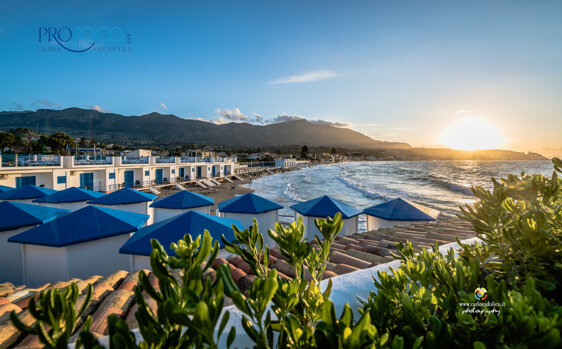
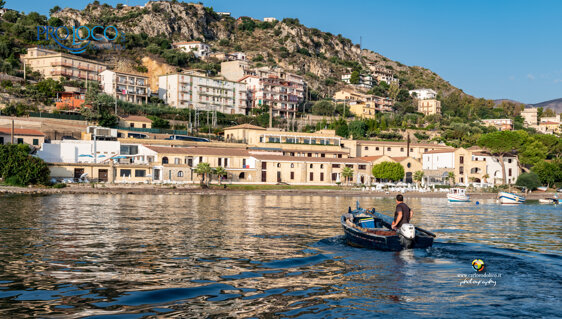
The Tonnara coastline, active until the late 1960s, was used in April to prepare the nets and boats. Brought out to sea and left for about 45 days, they formed a corridor for catching tuna that led to the famous death chamber.
Traditionally, the largest tuna was sold on the town's main street, and the proceeds were donated for the town festival. The tonnara, owned by Prince Raimondo Lanza di Trabia, employed many local fishermen throughout the year to repair the nets, ropes, and boats used for tuna fishing. Today, the old warehouses used to store the boats and related equipment have been transformed into a large hotel called the "Hotel Tonnara."
VETRANA
Point of interest no. 4
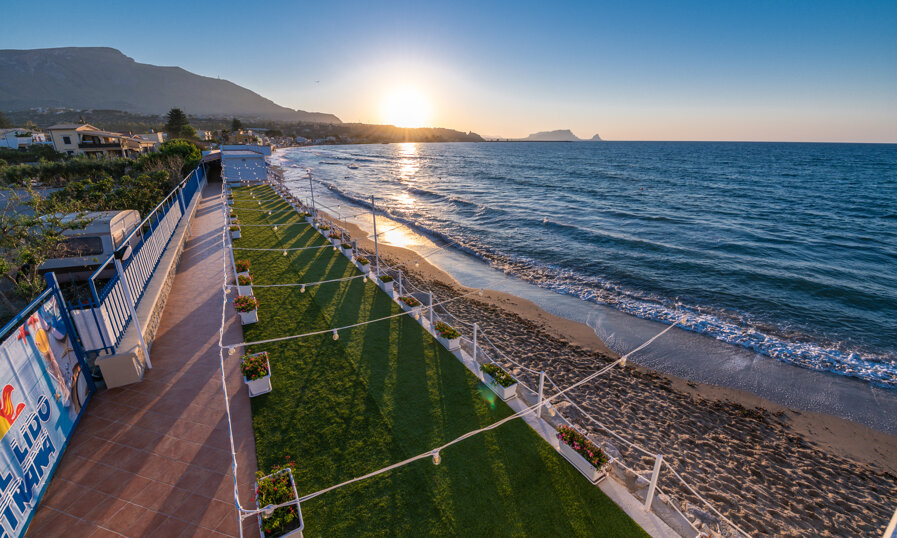
The sandy shoreline extends for just over 2 km from San Nicola l'Arena to Vetrana. It is a popular destination for bathers, approximately 5,000, who flock to the beach during the summer. The SS113 road that runs along the coast offers numerous services for tourists and others: hotels, restaurants, pubs, pizzerias, parking, soccer fields, and bike paths. Before the Lido was built, Vetrana was a small island on which stood the tomb-mausoleum of the Marquises Artale, characterized by its pyramidal shape.